Resources
Thoughtful resources for families raising children with more than one language.
Resources
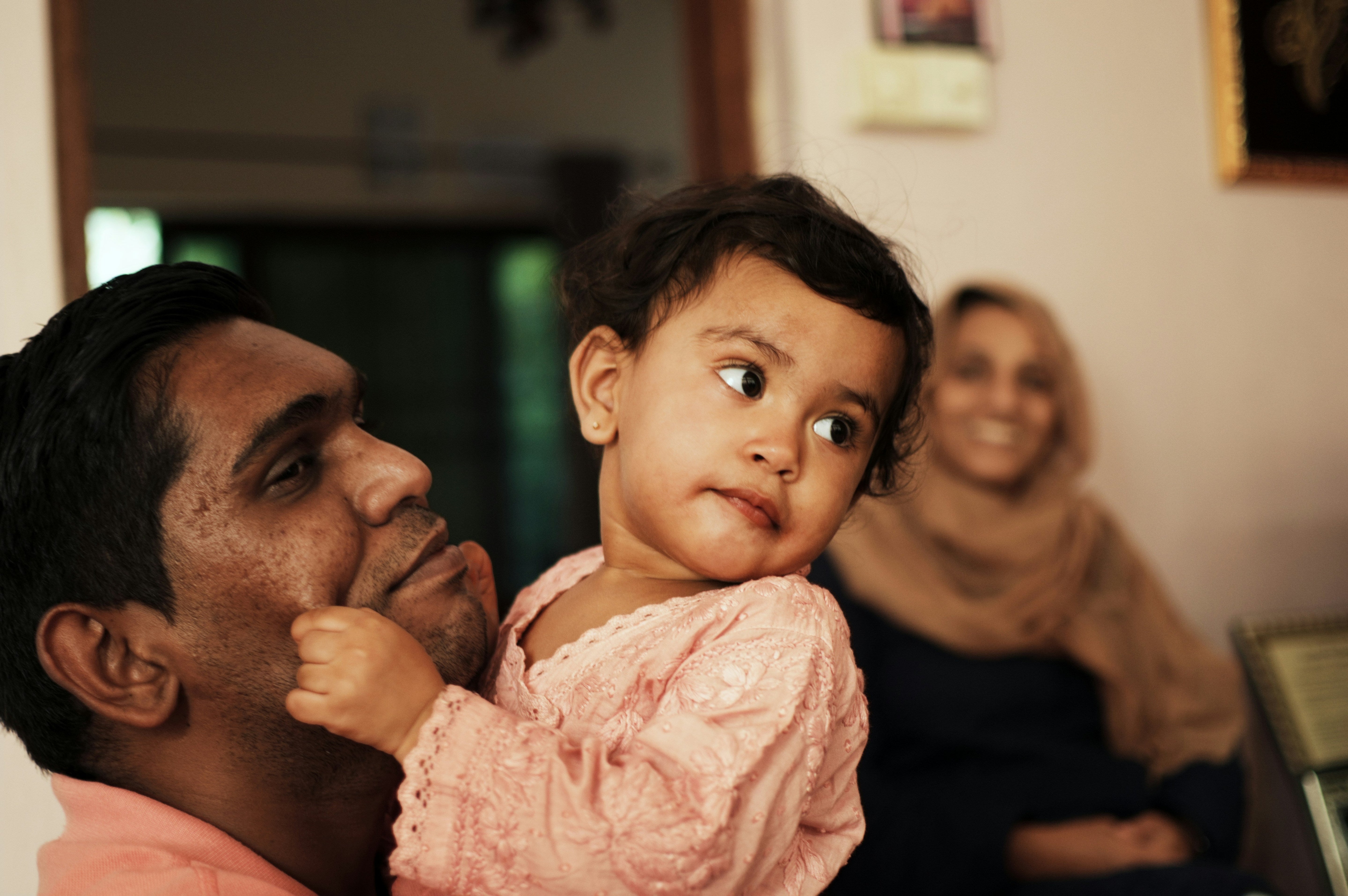
I Feel Guilty My Child Doesn't Speak My Language
The guilt of raising a child who doesn't speak your language rarely gets talked about honestly. Here's where it actually comes from, and why it says far less about your parenting than it feels like it does.

My Child Started School and Stopped Speaking Our Language
Starting school often means a child suddenly answers back in the wrong language. Here's what's actually happening, and why it rarely means what parents fear it means.

Why Reading and Writing Matter for Keeping a Heritage Language Alive
Why learning to read and write in a heritage language matters just as much as speaking it, and what the research says about which one actually keeps a language alive long term.

Why Heritage Languages Fade Across Generations (And What Decides Whether Yours Will)
Why heritage languages so often fade across generations, and what actually determines whether yours will be one of the families that keeps theirs alive.
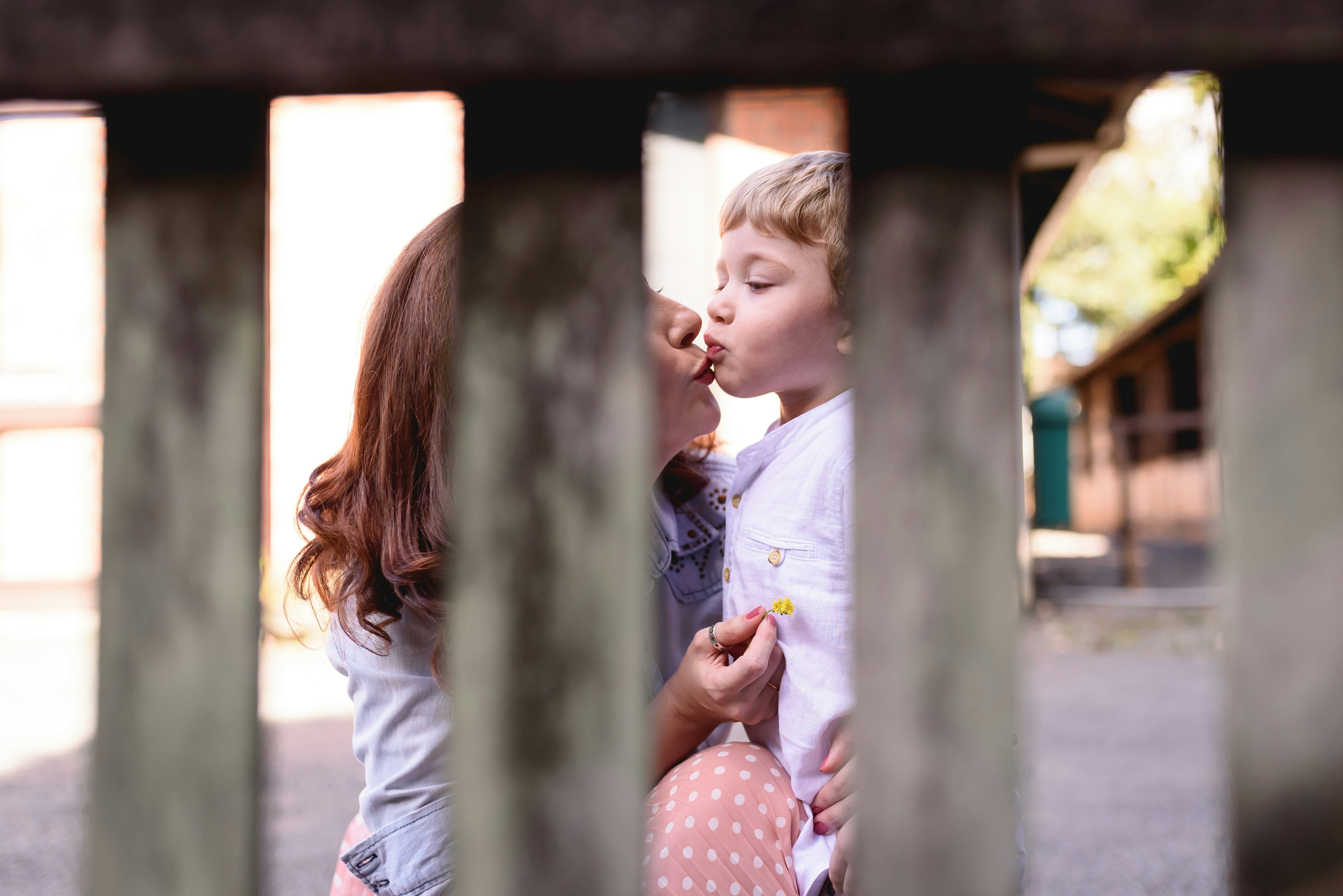
How to Raise a Multilingual Child: What the Research on Three Languages Actually Shows
Parents raising a child in three languages often assume they've asked for too much. The research says otherwise — the challenge isn't the number of languages, it's whether each one gets enough real input over time. Here's what trilingual case studies actually show, and what predicts whether all three languages stick.

How much heritage language exposure is enough?
How much heritage language exposure does a child really need? Research shows there is no magic number of hours. What matters more is consistent, meaningful use over time. Learn why bilingual development is about continuity rather than perfection—and why "enough" may look different than you think.

How to Raise a Child With Your Heritage Language When You're Far From Home
Raising a bilingual child without nearby family or a heritage language community can feel isolating. Learn why community matters for language development, what research says, and practical ways to help your child build meaningful connections to both their language and culture.

Why Does My Bilingual Child Always Answer in English? (And What It Really Means)
Wondering why your bilingual child answers in English even though they understand your home language? Learn why this happens, what it means, and how to respond without damaging your child's relationship with the language.

How to pass on a heritage language
Passing on a heritage language carries a particular weight — you are often the sole link between your child and a language that has nowhere else to live. This article is for parents who feel that, and who are trying to keep going anyway.