Resources
Thoughtful resources for families raising children with more than one language.

How much heritage language exposure is enough?
How much heritage language exposure does a child really need? Research shows there is no magic number of hours. What matters more is consistent, meaningful use over time. Learn why bilingual development is about continuity rather than perfection—and why "enough" may look different than you think.
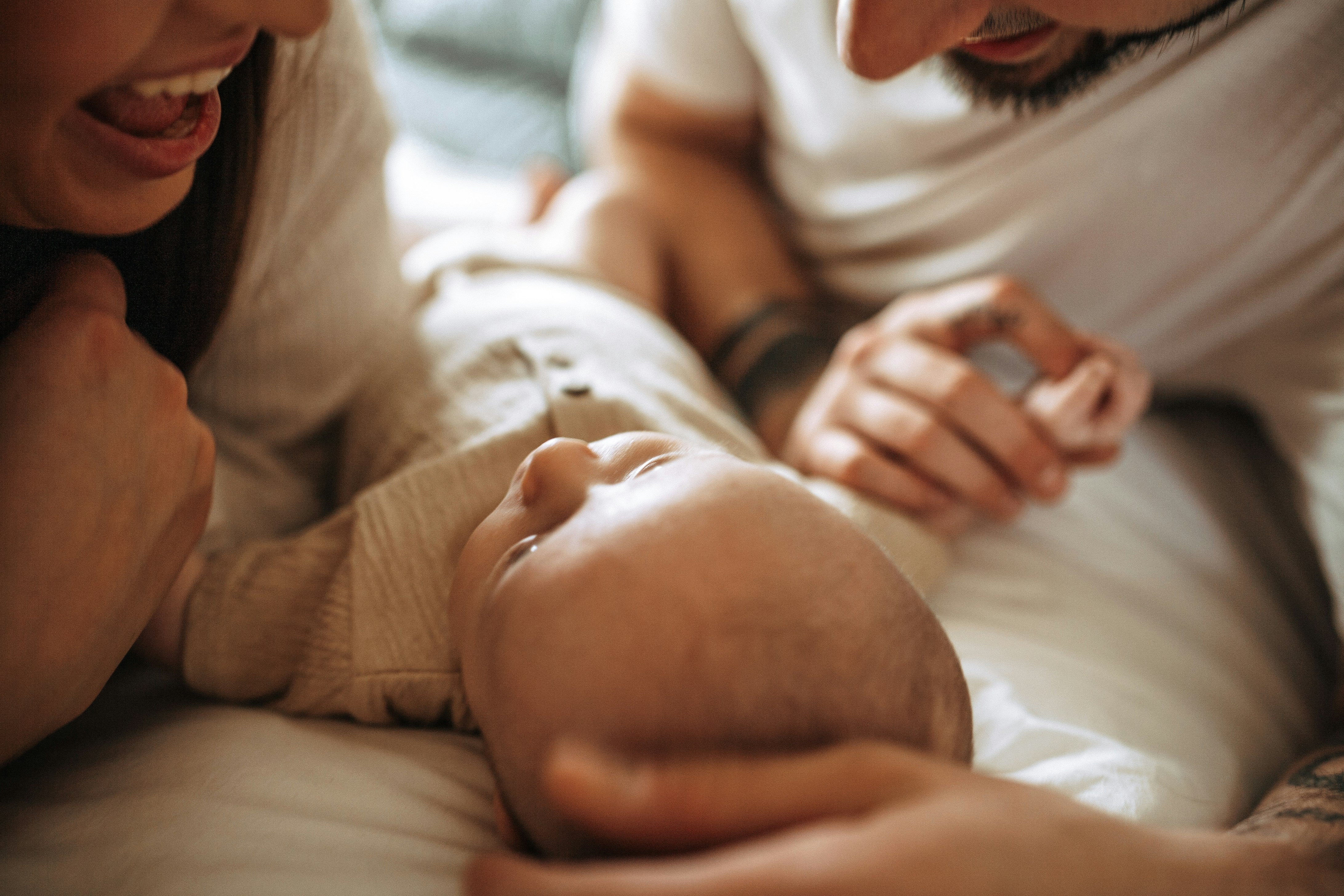
How to pass on a heritage language
Passing on a heritage language carries a particular weight — you are often the sole link between your child and a language that has nowhere else to live. This article is for parents who feel that, and who are trying to keep going anyway.
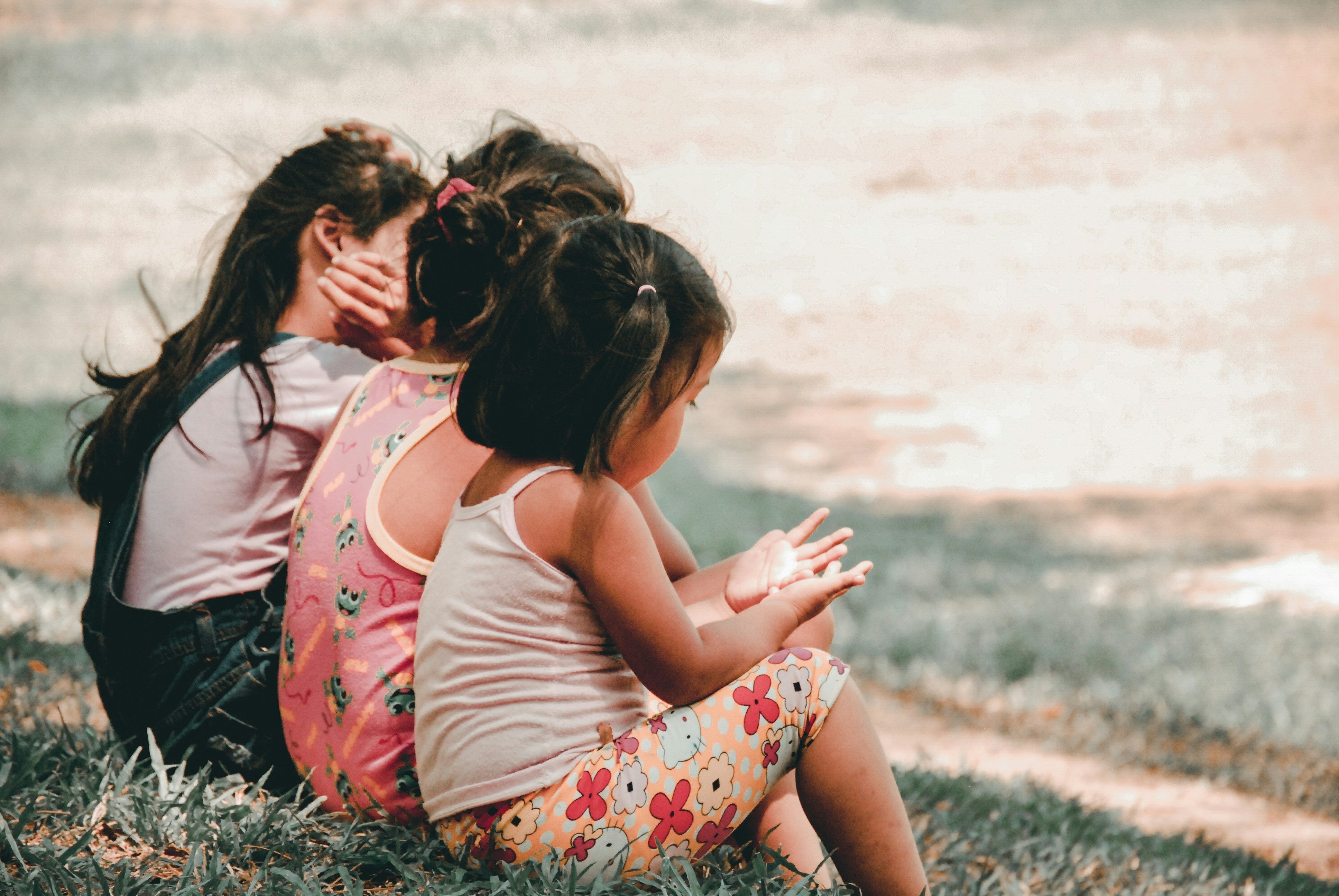
Will my child start preferring the school language over the home language?
When children start school and the home language begins to fade into the background, it can feel like a quiet displacement. This article explains what's actually happening, and what genuinely keeps a language present.
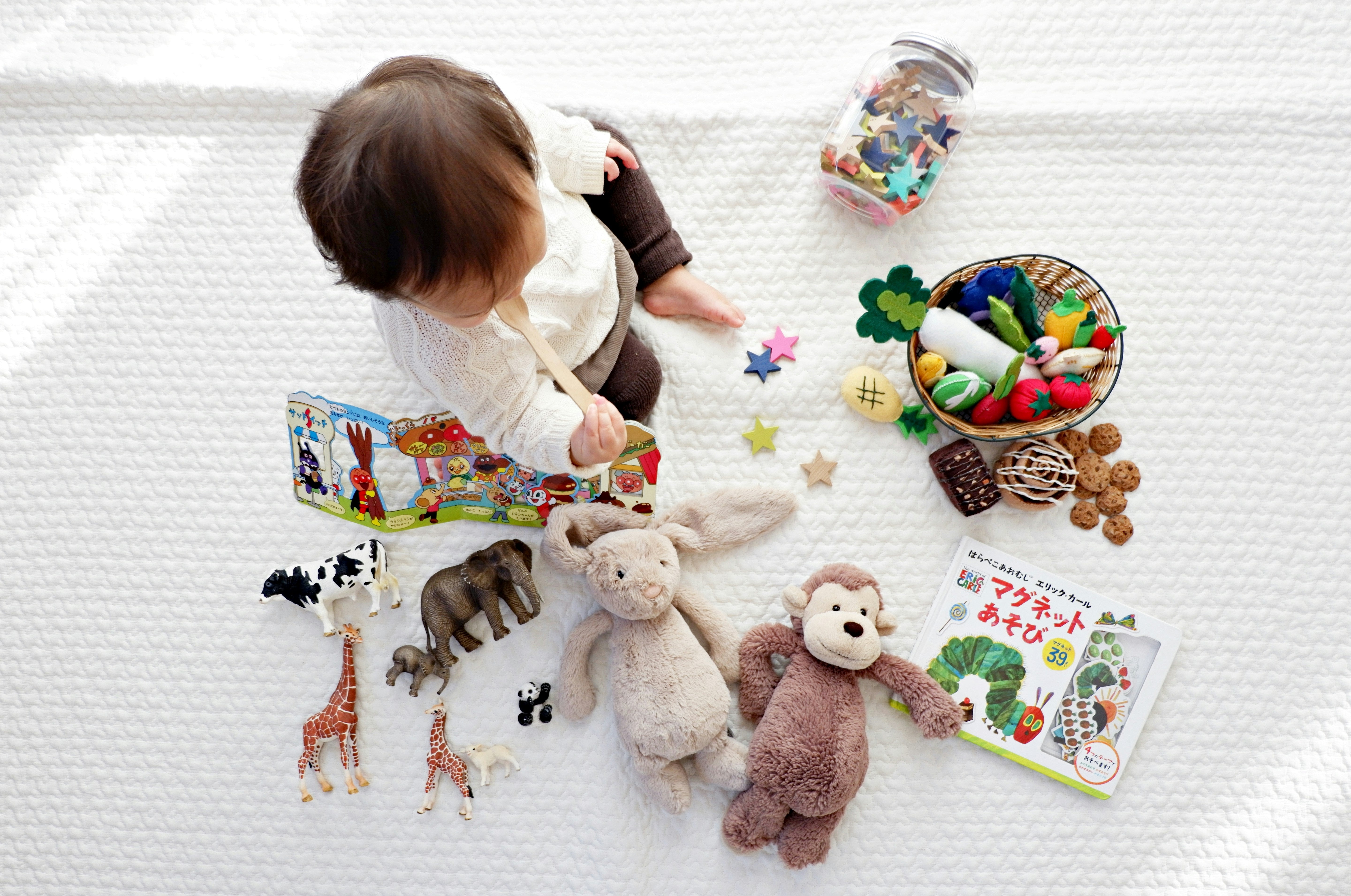
Do language learning toys actually work?
Language learning toys can support toddlers, but they do not teach language on their own. What matters is how they are used and how they fit into real interaction.
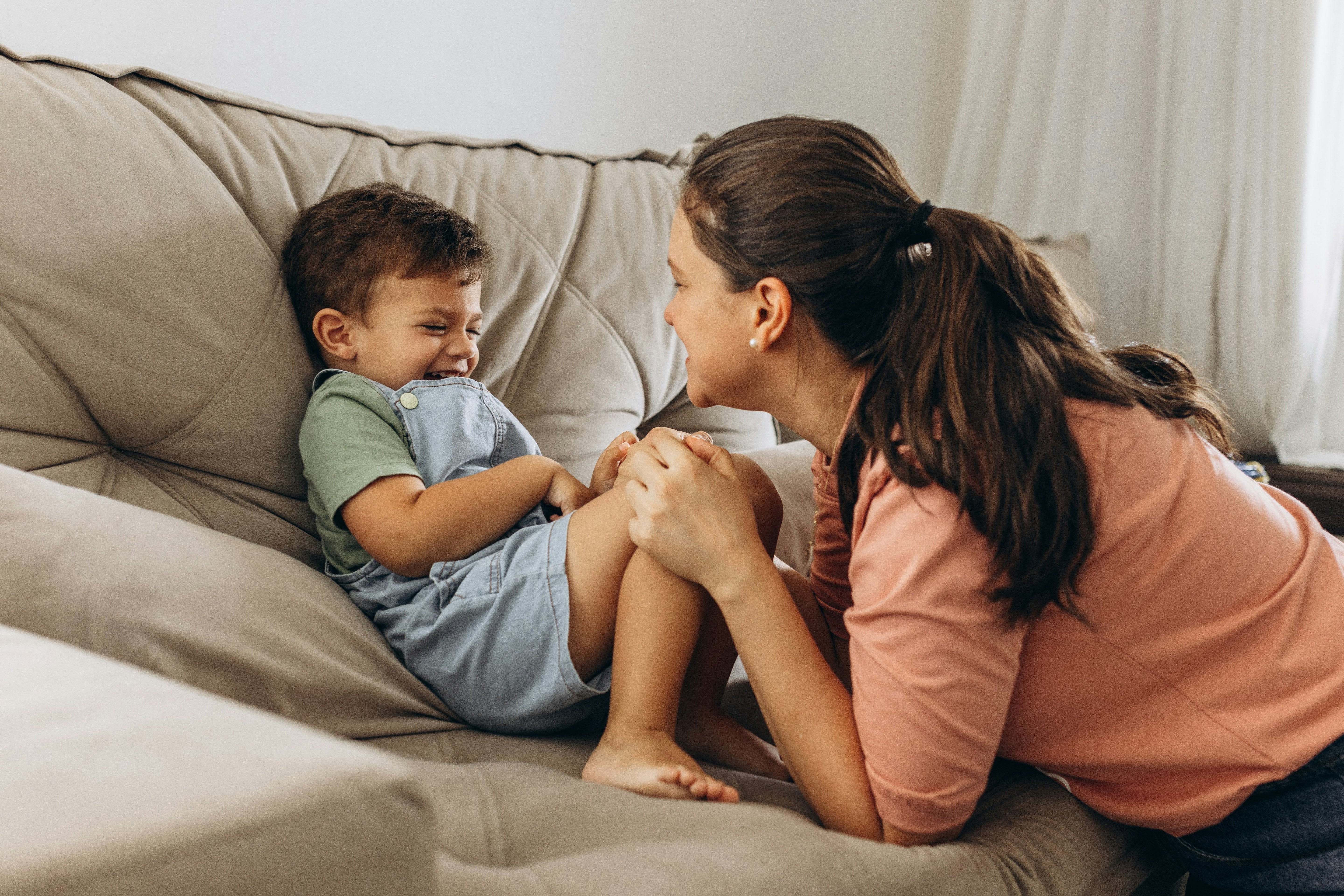
How to Motivate a Child to Speak the Minority Language
If your child understands the minority language but doesn’t speak it, it is not loss or refusal. Learn what is really happening and how to gently support active use over time.
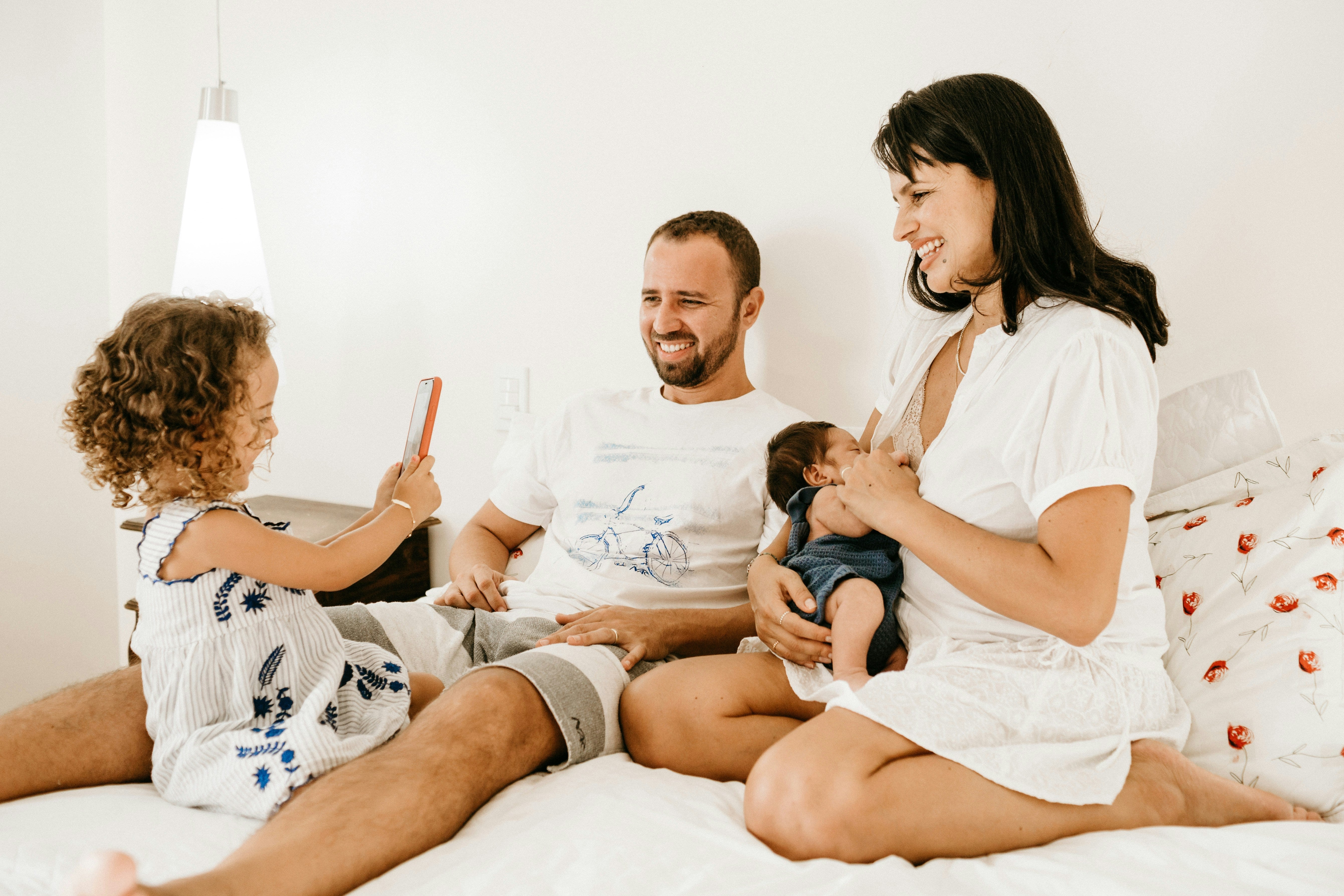
Alternatives to OPOL: other ways to raise a bilingual child
OPOL is not the only way to raise a bilingual child. Many families succeed with more flexible approaches built on consistent, meaningful exposure.
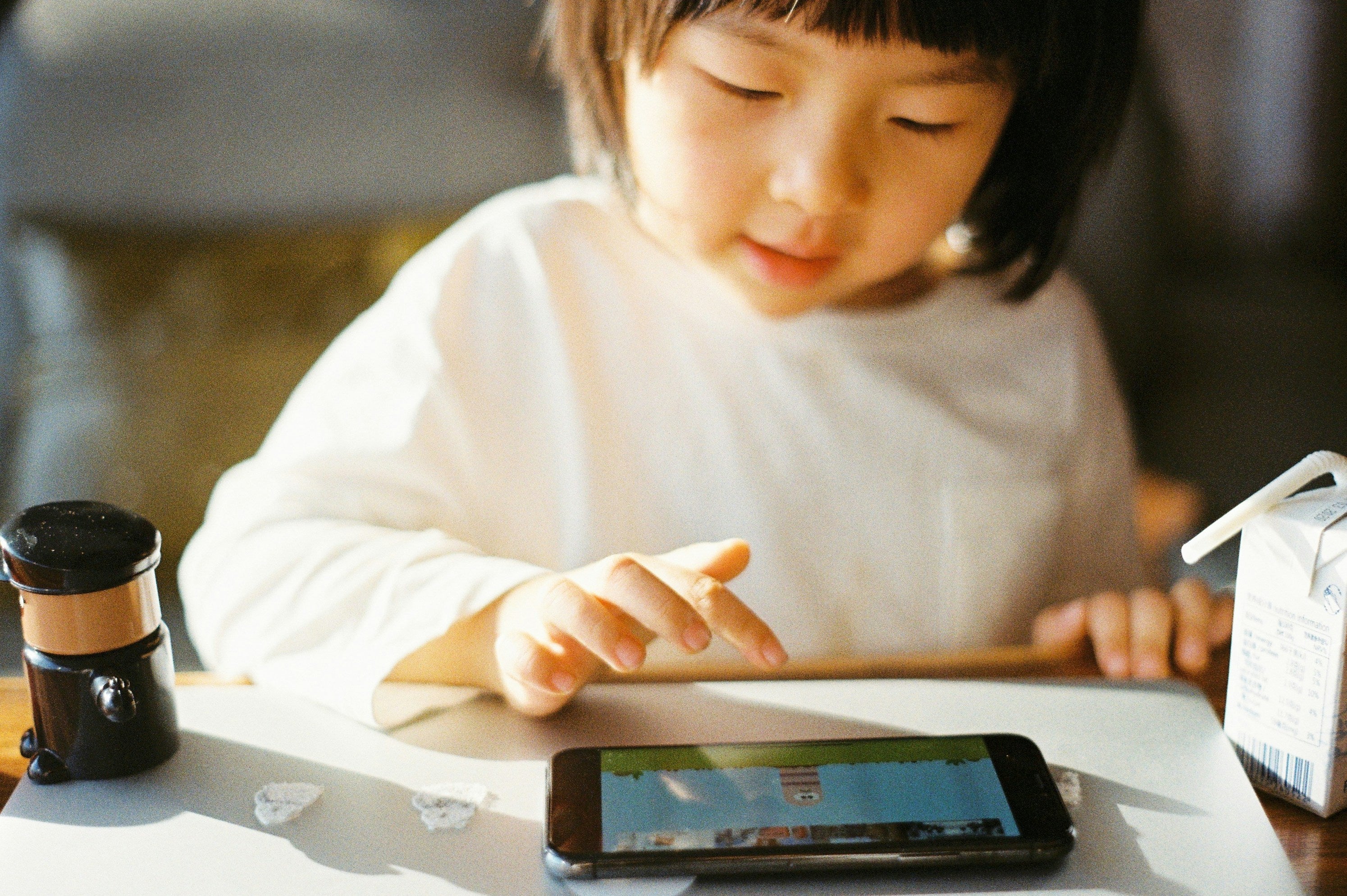
Can TV and videos help children learn a second language?
Screens can support language learning, but they cannot replace interaction. Children learn to speak through real back-and-forth, not passive exposure.
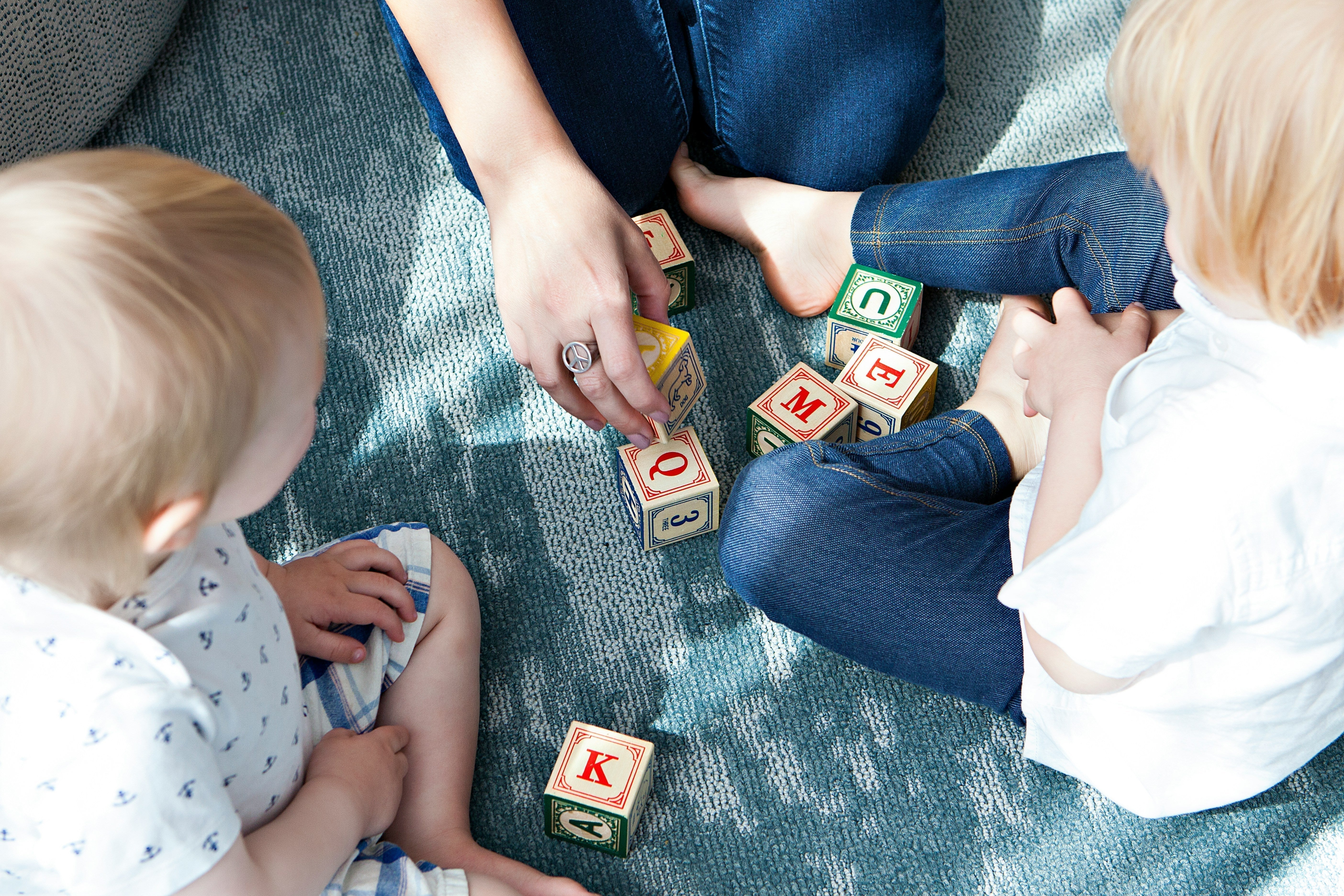
How to Build a Language-Rich Home Environment for Bilingual Children
A language-rich home isn't something you design with schedules and systems. It's something you live in. The minority language thrives or fades based on something much simpler: whether it shows up in the small moments, every day.