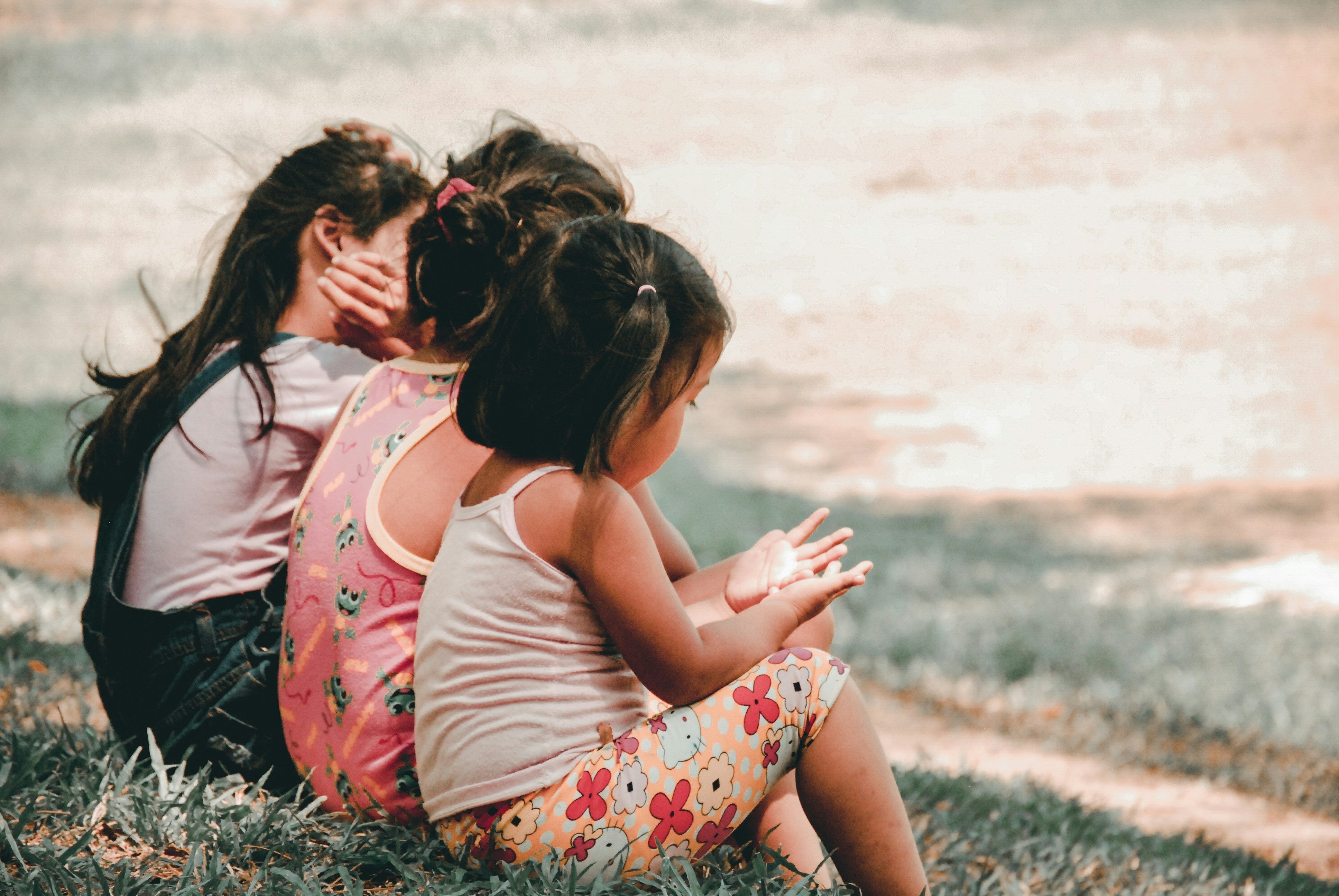
Something shifts, usually in the first year. Your child starts at nursery or school, comes home, and somewhere in the weeks that follow, you notice they are answering you in the other language. Not all the time at first. Then more often. Then almost always.
It can feel like a small displacement. You have been the language — the voice they associate with comfort, routine, the particular cadence of home — and now something else is pulling harder. It is worth saying clearly that this feeling is real, even when the situation behind it is ordinary. What you are watching is not failure. It is a predictable response to a change in your child's world.
Why the school language pulls so hard
Language is not just communication. For children, it is social infrastructure. At school, one language is the medium for everything that matters to them: making friends, following stories, being understood, belonging. They hear it for hours a day. They use it under conditions of genuine stakes. It becomes fluent in a way that feels effortless because it gets constant, high-frequency reinforcement across every part of their day.
The home language, by comparison, may be used mainly with you, mainly at home, mainly in a narrower range of contexts. That is not a criticism of your effort. It is simply the arithmetic of a bilingual childhood in a majority-language environment. The language with the most hours usually wins in terms of ease and automaticity.
And ease matters to children. When your child knows you understand the school language, answering in it is not rejection. It is efficiency. They are not making a statement about which language they value. They are taking the path of least resistance, which is exactly what children do.
The distinction that matters most
There is an important difference between language dominance and language loss, and conflating the two is where a lot of parental anxiety comes from.
Dominance is fluid. It describes which language a child uses most readily at a given point in their life, shaped by where they spend their time and who they spend it with. Dominance can shift. Children who strongly favour the school language at six or seven can recover fluency and ease in a heritage language during adolescence, particularly when circumstances change or motivation increases. Dominance is not destiny.
Loss is a different thing. It happens when exposure to a language becomes so limited, over a sustained period, that the neural pathways supporting it genuinely thin out. Vocabulary shrinks. Grammar becomes effortful. Understanding starts to falter. This is real, and it is worth taking seriously — but it is not the same as your child currently preferring to answer you in French, or English, or whatever language their school operates in.
Research on bilingual development consistently shows that understanding tends to remain stronger than production when one language becomes dominant. Your child almost certainly knows more than they are showing you right now.
What the shift actually looks like in practice
It is very common for children at this stage to understand the home language fully but respond in the school language. To switch automatically depending on who they are with. To prefer the school language for play, for telling stories, for the kind of loose, imaginative talk that requires finding words quickly. To go through periods of active resistance — not wanting to use the home language even at home, particularly if they are tired or frustrated.
None of this is confusion. It is adaptation. Your child is not rejecting you or the language. They are calibrating to a world that has gotten bigger.
What is worth paying attention to is a different pattern: if your child stops understanding everyday instructions or familiar phrases, if conversations in the home language become so minimal that the language is barely present in their daily life, if weeks go by without meaningful exposure. That is the point at which dominance can start to tip toward attrition, and where it is worth thinking actively about how to bring the language back in.
What actually keeps a language present
The goal is not to reverse the dominance shift. That may be neither possible nor necessary. The goal is to make sure the home language stays alive and functional — that it continues to show up in your child's world in ways that feel real, not obligatory.
Continuing to speak the language yourself matters more than you might think, even when your child consistently replies in the other one. You are keeping comprehension active, maintaining the habit of the language in your relationship, and modelling something about its value without saying a word about it.
Contexts where the home language is genuinely needed do more than any amount of encouragement. Time with extended family, contact with other children who speak the language, activities that only happen in that language — these make the language functional rather than a household rule. Children respond to necessity in a way they don't always respond to requests.
Repetition of familiar vocabulary across daily routines keeps the language tethered to real life. It does not need to be structured. It just needs to keep appearing, in small ways, in the texture of ordinary days. The words that stay are the ones that keep showing up.
Bringing in other voices is something parents often underestimate. Your voice carries enormous weight, but it also carries the particular associations of parent-and-child. Other speakers — recordings, relatives, people your child genuinely likes — can reach the language from a different angle, one that feels less like home obligation and more like the language itself being alive in the world.
Production often lags behind understanding by a significant margin at this age. Be patient with the speaking. What matters right now is keeping the exposure going.
Hold the longer view
A child who is currently answering you in the school language is not a child who has lost the other one. They are a child in the middle of a period of enormous adjustment, finding their footing in an environment that makes heavy demands on them all day. The home language is still there. It needs presence, not rescue.
You are not failing because the balance has shifted. You are in the part of this that is hard — the part where you keep going, with less feedback than you'd like, trusting that the exposure you are providing is doing something, even when it is not visible yet.
Keep speaking. Keep showing up in the language. That is the work, and it is enough.
This article is for general educational purposes and does not replace advice from a qualified professional. If you have concerns about your child's development, speak with a paediatrician or a speech and language therapist experienced in bilingual children.



Share: